
Starsand is an ok desert survival game that is worth a look if you already enjoy the genre and will struggle with its opening hours. I spent real time in its sand, and I found a game that rewards patience more than skill. It suits survival fans more than anyone else.
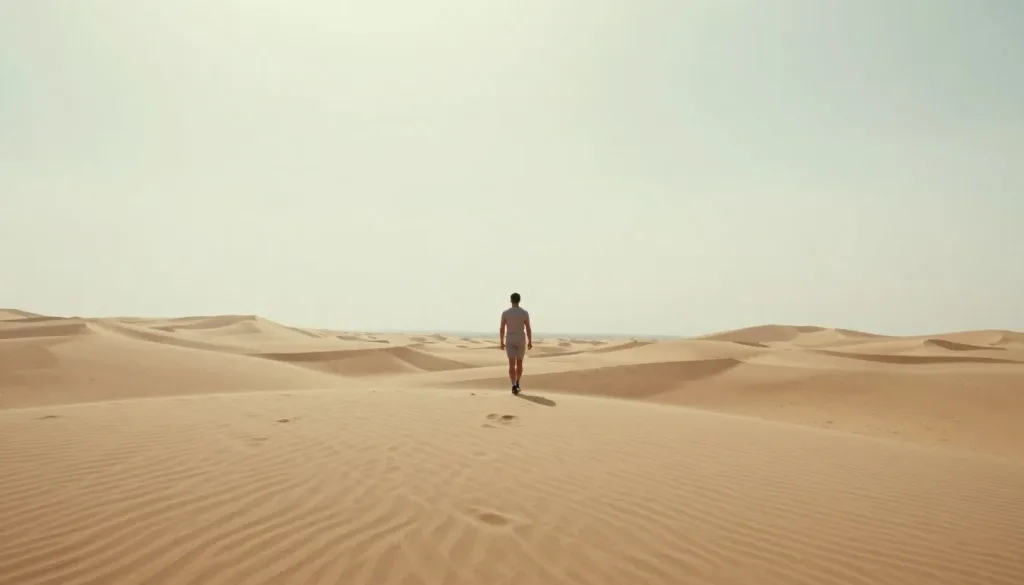
The sandstorm opening drops a long-distance runner into the dunes with no help and no plan. The scene sets a Dune-inspired survival mood right away. Two moons hang over the dunes, and the quiet makes every step feel heavy.
This review covers what works, what frustrates and who should play the game. The core idea is the shelter. The shelter is the structure you build from chopped wood and gathered materials, and it is the only way the game saves your progress.
Many survival fans will enjoy that slow pace. If the first hour frustrates you, the rest of the game will probably ask for the same patience.
Key Takeaways
- The game is an ok desert survival game, not a must-play title.
- It suits survival fans who like slow, self-directed play.
- The opening is hard, and the tutorial gives little help.
- The shelter is the built base that also saves the game.
- Start on the default difficulty to ease into the first hours.
Starsand Review Basics: What Kind of Game This Is
The game is a desert survival game with a sci-fi edge, not a cozy life sim. It was made by two studios and published by Toplitz Productions. I played it on Xbox One, and the table below lists the key facts.
| Item | Detail | Why it matters |
|---|---|---|
| Developer | Tunnel Vision Studios and Fantastico Studios | Two teams shaped the game together |
| Publisher | Toplitz Productions | This company released the game to players |
| Platform reviewed | Xbox One | My view comes from this console only |
| Story length | About 10 hours | Shows how long the main plot takes |
| Full 1000G time | About 30 hours | Shows the time needed for every achievement |
In this Starsand review, the genre matters most. If you want a relaxing farm and friends, this is the wrong game. The survival work fills most of your hours, and the story only sits in the background.
The game is a survival game first, and the story comes second.
Starsand Island is a separate cozy life sim from another studio, so do not mix up the two titles. Think of Animal Crossing as the kind of cozy life sim this game is not. Survival is the real focus here, and the pace reflects that.
Expect about 10 hours to see the story and about 30 hours to chase the full 1000G achievement.
What Works in Starsand’s Survival Loop
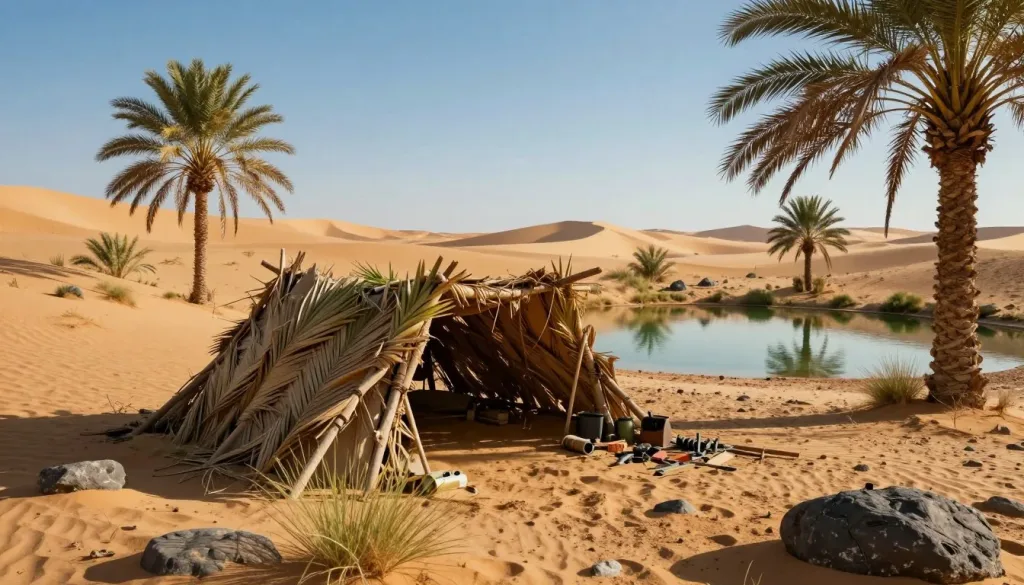
Your first shelter at an oasis is the moment the game starts to feel like a real survival game. The loop of gathering, building and moving on is the strongest part of the design. Most players will feel the pull of it within the first session.
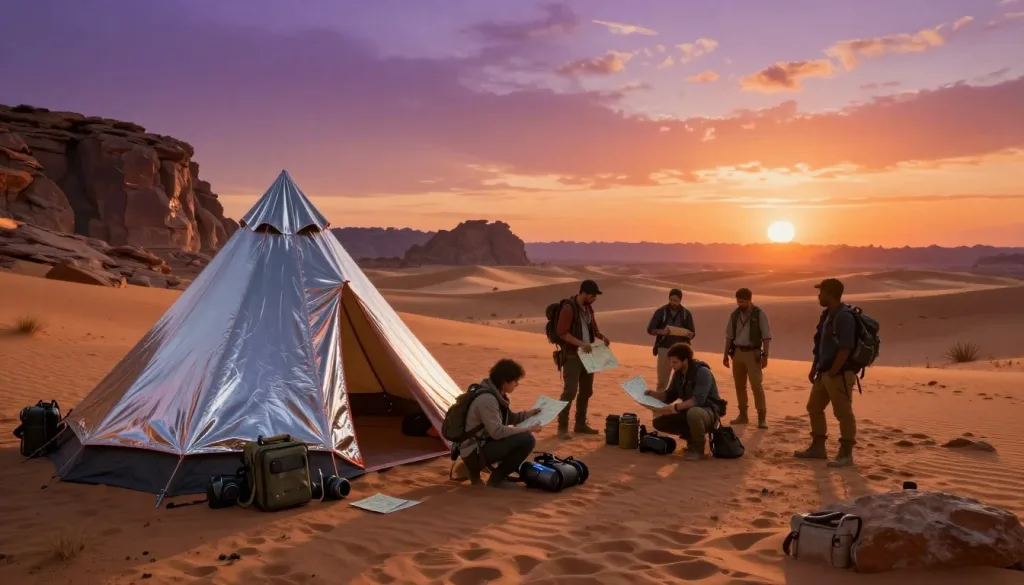
Every shelter piece is built with a hammer, and the path starts with chopped wood. Foundations, walls, doors, windows and steps all follow from there. Distant monuments sit out in the sand, and you will only reach them after you learn to travel.
Building Your First Shelter at the Oasis
The oasis has endless water, which makes it the best home base in the early hours. Resources are tight at first, so your first shelters stay small. That limit is fair, since every board costs you a trip into the sand.
Structures can be dismantled and carried away. This lets you move on when you reach a new spot, instead of leaving a base behind. The crafting system is simple once you learn the order of the parts.
Alien Scares and Sandworm Tremors
My first alien sighting turned into panic fast, with a pickaxe in my hand and no good plan. Aliens range from small bugs to massive monsters, so the danger shifts from one encounter to the next. The mechanics reward you for staying alert.
The sandworm, the dune-inspired creature that hunts you across the sand, signals its arrival with tremors. Those tremors give you time to prepare. Sandworms can be exploited, and they stay dead once you kill them.
Build the shelter before you fight anything, because the shelter is where you save the game.
Heat, Cold, Thirst, and Hunger Explained
Heat by day and cold at night set the rhythm of the game, and thirst and hunger decide how far you can roam. Each threat has a clear answer, but you must plan for all four. How far you go depends on what you carry.
The deep desert is where food and water run short, so plan every trip around the oasis. Heat hits in the daytime and cold hits at night. Chopped wood and other materials build the tools that get you through both.
| Threat | When it hits | What counters it | Note |
|---|---|---|---|
| Heat | Daytime | Shelter from the sun, sunburn protection and cooling in water | Shelter is the main defense |
| Cold | Night | A campfire, a shelter and a bed built from chopped wood | Wood fuels all three builds |
| Thirst | Ongoing across the day | Coconut water and planning around the small water bottle | The bottle holds very limited liquid |
| Hunger | Ongoing across the day | Dates and other picked fruit | Animals are scarce in the deep sand |
Food comes from dates and picked fruit, not from crops you grow. Coconut water helps most when the sun is high and the bottle runs low. Carry a plan for water before you leave the oasis, not after.
Eat only the fruit you have tested, since some picked fruit can poison you.
Where Starsand Frustrates: Menus, Tutorial, and Technical Problems
The tutorial is the first place the game loses new players. It gives quest goals but almost no help on how to play. Only the most patient players will get past it without a guide.
Awkward menus cost new players time, and that lost time adds up fast. The inventory and crafting screens feel built for a mouse, not a controller. In this review, the menus were the friction I felt most.
Here are the five problems a new player will hit first, in order of how much they slow play:
- The tutorial only sets quest goals and does not teach play.
- There is little guidance on equipping and using items.
- The inventory and crafting menus feel clunky with a controller.
- Framerate drops appear during busy moments.
- One full freeze forced a restart.
A menu struggle once cost me so much time that I died from cold at night. The freeze hit later, and I lost progress that a restart could not return. These problems do not break the game, but they make the early hours a bit rough.
Test the inventory with a few items before a long trip, since item selection is the step most likely to slow you down.
How Hard It Plays and How Fights Feel
The difficulty menu is the best thing the game offers a nervous player. It lets you tune the challenge before the sand starts to bite. Tune is the word that matters here, because the game gives you real control.
Difficulty runs from very easy with no aliens to extremely difficult with tough aliens. The default setting is fair for newcomers. Each option changes how much combat and survival you face in a session.
Difficulty Settings From Easy to Custom
Medium is a mix of survival and combat, so it suits players who want both pressures. Custom mode keeps the survival challenge but removes combat. That option lets you focus on shelter, water and heat without fighting aliens.
The custom mode gave me the most calm hours. I could learn the crafting and travel rules without the constant fear of an attack.
Combat Feel and How Rarely Aliens Appear
The combat is basic, and it is not a highlight of the game experience. Its appeal wears off quickly once the novelty of the first fight fades. You will not return to it for the fun of the fight.
Alien appearances are few and far between, so long stretches pass without any fight at all. Those quiet stretches suit the survival focus better than the combat does.
Start on the default difficulty, which is fair for newcomers, and change it only after you know the survival basics.
Story, Sound, and Visuals in Plain Terms
The story is thin enough that you will remember the desert more than the plot. It appears in only two places, and both are brief. More of the game’s charm lives in its sand and sky.
The story is a minute-long opening and a block of text after each night’s sleep. The unnamed runner at the center has no name and no way to change how they look. The setting does most of the talking.
Here is what the presentation delivers and what it lacks:
- The story is a minute-long opening and a block of text after sleep.
- The runner is unnamed and has no customization.
- The music is two tunes that repeat between long silences.
- The sound design is clear, with water effects and sand crunch.
- The visuals have no water ripples, no footprints and no weather besides day and night.
The sound design deserves praise. The crunch of sand under each step makes the desert feel real. The music, however, wears thin, and the silence between tunes can feel empty.
Head for the ruins and pyramids, since they are the places that reward exploring the most.
Who Should Play It and Who Should Skip It
Survival fans who enjoy slow, self-directed learning will get the most out of the game. They will find the Dune-like atmosphere worth the rough start. Slow learning is the key, because nothing here rushes you.
The nearest comparisons are The Long Dark and Raft, so fans of those games are the best match. If those titles clicked for you, this one will likely click too. Starsand Island is a different cozy life sim and is not this game.
Here is who should buy it and who should skip it:
- Survival fans who enjoy slow, self-directed learning should buy it.
- Fans of The Long Dark and Raft should give it a try.
- Players who want a long story should skip it.
- Anyone expecting a cozy life sim like Animal Crossing should skip it.
- Players who dislike clunky controller menus should skip it.
The game suits survival fans first, and everyone else should watch the first hour before committing.
The review scores in other reviews may differ from my view, but the pattern holds. Patient players get the most out of the desert. Players who want quick fun will likely feel the friction early and give up.
Skip it if the first hour already frustrates you, since the systems do not ease up quickly.
Conclusion
The game is an ok desert survival game, not a must-play one. Patient fans will find a solid survival loop here, but the rough start will test them. The setting and the survival loop carry the game far more than the thin story does.
Start on the default difficulty and build your first shelter before you wander into the deep desert.